


Key Considerations When Using Lead-Based One-Pack Stabilizers in PVC Pipe Production
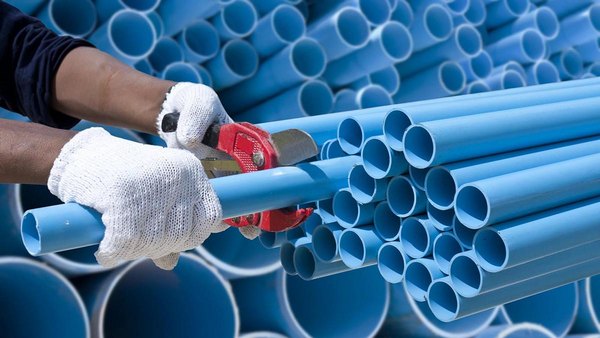
Lead-based one-pack stabilizers have become increasingly popular among PVC pipe manufacturers. Today, only a small number of producers still rely on traditional formulations based on individual lead salts. The widespread adoption of one-pack stabilizers is largely due to their many advantages, such as reducing formulation workload, simplifying material handling, and minimizing the risk of formulation errors.
However, the use of lead-based one-pack stabilizers also has certain specific considerations that should be taken into account during production.
1. Environmental Restrictions
Due to environmental and health concerns, governments around the world have established regulations regarding stabilizers used in potable water pipes (also known as pressure pipes or water supply pipes). Lead-based one-pack stabilizers must not be used in the production of potable water pipes.
In addition, they are not suitable for PVC products intended for pharmaceutical, food-contact, or other environmentally sensitive applications where lead-free formulations are required.
2. Different Pipe Applications Require Different Stabilizer Characteristics
2.1 Electrical Conduit Pipes
Electrical conduit pipes are typically produced at higher processing speeds. As a result, both internal and external lubrication are critical, and high-efficiency lubricants are often required. Therefore, stabilizers designed for conduit applications generally incorporate higher-performance lubrication systems.
2.2 Drainage and Sewer Pipes
Drainage pipes usually contain higher levels of fillers. In these formulations, lubricants that can improve the compatibility and adhesion between fillers and PVC resin often provide additional benefits and help achieve better processing performance.
2.3 Differences in Equipment and Processing Technology
Even for the same pipe application, formulation requirements can vary depending on the production process, extrusion equipment, screw design, and filler loading levels.
Leading stabilizer manufacturers are increasingly developing specialized grades tailored to different pipe applications, equipment configurations, and formulation requirements in order to meet the evolving demands of the PVC pipe industry.
3. Stabilizers from Different Suppliers May Perform Very Differently
Processing behavior and thermal stability performance can vary significantly among stabilizers from different manufacturers. Even different grades from the same supplier may exhibit substantial differences.
Therefore, when replacing a stabilizer, direct 1:1 substitution sometimes is not recommended. Pipe manufacturers should carefully review the product specifications, communicate with the supplier, and conduct production trials before finalizing any formulation adjustments.
4. Additional Lubrication May Be Required in Some Cases
In most cases, a properly designed PVC pipe formulation only requires the recommended dosage of a one-pack stabilizer to achieve satisfactory processing performance. Additional stabilizers or lubricants are generally unnecessary.
However, in practical production, differences in equipment, PVC resin characteristics, fillers, and processing conditions may require minor adjustments. Small additions of internal and external lubricants such as stearic acid, paraffin wax, or polyethylene wax may be used to enhance lubrication performance.
In some cases, calcium stearate may also be added to promote fusion and improve processability.
5. Focus on Total Cost Rather Than Purchase Price Alone
The original purpose of developing one-pack stabilizers was to utilize the synergistic effects of stabilizers and lubricants, thereby reducing overall formulation costs, minimizing weighing errors, and lowering environmental impact.
Unfortunately, some low-cost suppliers attract customers by offering unusually inexpensive products. These products often contain excessive filler materials and may lack adequate quality control.
Although such products may appear economical at first glance, the actual cost-performance ratio is often poor when evaluated on a formulation basis. More importantly, product quality and consistency may be compromised, creating additional risks for manufacturers.
This issue can be found across various types of one-pack stabilizers, but it is particularly common in stabilizers designed for PVC pipe applications.
Conclusion
When selecting a lead-based one-pack stabilizer, PVC pipe manufacturers should look beyond the purchase price alone.
A more comprehensive evaluation should include:
- Total formulation cost
- Processing efficiency
- Product quality and consistency
- Long-term production stability
- Technical support from the supplier
Ultimately, choosing a reliable stabilizer supplier and evaluating the overall cost-performance balance will deliver greater value than simply selecting the lowest-priced product.